How a Stapleless Stapler Works: Quick Guide
You’re preparing an important report, reach for your stapler, and discover it’s out of staples. It’s a frustrating moment we all know too well. But what if you could bind paper securely without any metal staples at all? A stapleless stapler does exactly that, using the paper itself as the fastener. This clever tool creates a clean, hole-free bond by cutting, folding, or crimping the paper into a self-locking mechanism.
In this guide, you’ll discover exactly how these innovative devices work, how many sheets they can bind, which method suits your needs, and when to choose them over traditional staplers. You’ll also learn about real-world applications, popular models, and tips to get the strongest hold every time.
Cut-and-Fold Binding Explained
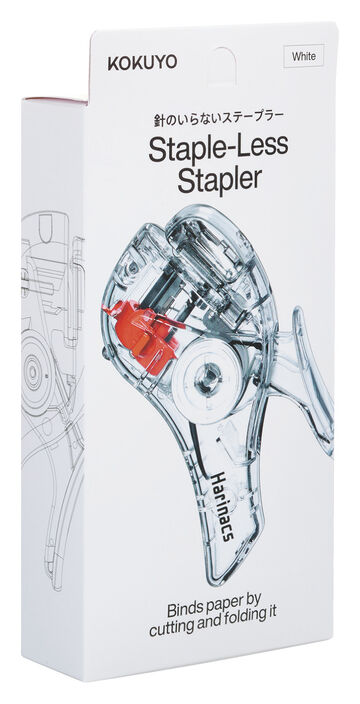
The cut-and-fold method transforms paper into its own fastener by slicing and interlocking layers. This technique is used in models like the Harinacs and Simpletivity-style staplers.
How the Cut-and-Fold Mechanism Works
When you press down on a cut-and-fold stapleless stapler, a precise sequence of internal actions binds your paper:
- Dual Cutting Action: A sharp die cuts two shapes into the paper stack. First, a U-shaped or rectangular cut near the edge creates a loose paper tab. Second, a smaller slit above it prepares the exit point for the tab.
- Tab Folding: A hinged lever lifts the cut tab and pushes it upward through the smaller slit.
- Interlocking Lock: The folded tab locks in place above the paper surface, mechanically binding all sheets together.
The result is a secure, hole-free bond that looks like a tiny paper stitch along the edge.
Strength and Sheet Capacity
Cut-and-fold staplers work best with 2 to 5 sheets, where bond strength increases with more layers due to greater friction and structural resistance. Most models max out at around 10 sheets, though this varies by brand. The binding resists sideways tearing effectively but can be pulled out if lifted directly upward.
Pro Tip: Align your paper flush and apply firm, even pressure during use for maximum hold.
Visual and Tactile Feedback
After binding, you’ll see the folded tab protruding slightly from the edge. There’s no click sound, but you’ll feel a resistance drop when the binding is complete. Some models feature light gray alignment guides to ensure accurate placement.
Indentation Crimping Method
The crimping method binds paper through pressure rather than cutting. Models like the Kokuyo Harina Express use this technique for a sleek, flat finish.
How Crimping Creates a Secure Hold
Instead of slicing paper, crimping staplers compress it using high-pressure dies. Multiple raised ridges apply force across the paper edge, creating up to 10 indentations that compress and lock paper fibers together. For full effectiveness, you need a 1 cm-wide crimp along the entire edge.
This method produces a flat, professional bind ideal for client-facing documents.
Audible Confirmation and Capacity
You’ll hear a distinct click sound when crimping is complete, confirming full compression. The device securely holds up to 5 sheets of standard paper, with capacity reaching up to 11 sheets for a snug hold. Beyond that, grip weakens significantly.
Warning: At angles near 45 degrees, crimps act like corner staples and must be applied in sequence to maintain continuity.
Paper Compatibility Tips
Crimping works best on standard 75 to 90 gsm paper. Avoid very thin or fragile paper because of punch-through risk. Thick cardstock or coated paper reduces effectiveness considerably.
Binding Capacity and Sheet Limits

Understanding capacity helps you choose the right tool for your task.
Maximum Sheets by Method
Cut-and-fold staplers typically handle 5 to 10 sheets depending on the model. Indentation crimping models hold 5 to 11 sheets, though grip loosens beyond 5 sheets. The Harinacs model can fasten up to 10 sheets using its cut-and-fold design.
Why More Sheets Mean Stronger Bonds
Unlike traditional staples that weaken with thick stacks, stapleless binding actually gains strength with more pages. More layers create greater friction and structural resistance against the tab or crimp pulling free. Testing shows cut-and-fold models held 4 sheets tighter than 2 sheets.
Paper Compatibility Guide
Standard-Weight Paper (75-90 gsm)
Standard-weight paper is ideal for both binding methods. It holds securely with full crimp or complete tab insertion. This is the common office paper perfect for daily use.
Thin Paper (Receipts and Lightweight Stock)
Thin paper carries high punch-through risk, especially with crimping. Use light pressure and ensure full crimp length. Test first because not all thin papers bind reliably.
Thick or Heavy Paper
Most stapleless staplers struggle with cardstock. Folding mechanisms may fail to lift tabs completely. Crimping loses effectiveness on coated or rigid sheets.
Workaround: Stick to 5 sheets or fewer of standard paper for best results.
Advantages Over Traditional Staplers
Why Go Stapleless?
These tools offer several compelling benefits:
• No staples needed, eliminating refills and jams
• Zero metal waste, making documents fully recyclable
• Shred-ready with no need to remove fasteners
• Most models cost under $10
• Child-safe with no sharp metal exposed
• Portable and lightweight, fitting in pockets or drawers
Environmental and Cost Benefits
A single metal staple takes years to decompose. Stapleless binding leaves no trace. These tools represent a one-time purchase with no ongoing costs, supporting zero-waste office initiatives and reducing metal consumption.
Limitations and When to Avoid
Not for Every Job
Stapleless staplers excel in light-duty tasks but fall short in these situations:
• Documents over 11 sheets lose binding integrity
• High-handling environments risk loosening from frequent flipping
• Archival storage requires stronger fastening than paper allows
• Booklets need more durable binding methods
Rule of Thumb: If documents need to last years or withstand heavy use, stick with traditional staples.
Best Use Cases and Scenarios
Ideal Applications
Presentations and Client Documents: Crimped edges look clean and professional. No holes mean a polished, uninterrupted layout.
Drafts and Internal Reports: Temporary binding without clutter. Easy to unfasten by peeling back the tab on cut-and-fold models.
Home and School Use: Safe for kids with no pinched fingers. Great for school projects, receipts, or homework packets.
Eco-Friendly Offices: Supports sustainability goals. Simplifies recycling and shredding workflows.
Pro Tip: Keep one at your desk for quick binding and reserve the metal stapler for heavy stacks.
Popular Models and Pricing

Top Stapleless Staplers
| Model | Method | Sheet Capacity | Price |
|---|---|---|---|
| Harinacs | Cut-and-fold | Up to 10 sheets | Around $9 |
| Kokuyo Harina Express | Crimping | 5-11 sheets | Around $10 |
| Simpletivity-style | Cut-and-fold | Up to 5 sheets | Around $8 |
Where to Buy
These staplers are available at major office supply stores like Staples and Office Depot. You can also find them online through Amazon, eBay, or specialty eco-office retailers. Most cost under $10, making them a low-risk upgrade.
Global Trend: These devices are gaining popularity in Japan, Europe, and eco-conscious US offices.
How to Use a Stapleless Stapler Correctly
For Cut-and-Fold Models
- Align paper flush at the edge
- Position the stapler over the corner or along the side
- Press down firmly until resistance drops
- Check that the tab is fully folded and locked
For Crimping Models
- Place paper under the die
- Apply even pressure across the full width
- Listen for the click confirming binding
- Verify the crimp by looking for 8 to 10 visible indentations
Mistake to Avoid: Misalignment causes weak or failed binds. Use edge guides when available.
Troubleshooting Common Issues
No Binding After Pressing
Cause: Misaligned paper or insufficient pressure. Fix: Realign and press again with full force.
Tab Won’t Fold (Cut-and-Fold)
Cause: Thick paper or incomplete cut. Fix: Use standard paper and do not exceed 5 to 10 sheets.
Crimp Not Holding
Cause: Partial crimp or thin paper. Fix: Ensure full 1 cm crimp width and avoid fragile paper stocks.
Weak Hold on Few Sheets
Cause: Less friction with fewer layers. Fix: Add a backing sheet to increase stack thickness.
Environmental Impact Comparison
Stapleless vs. Metal Staplers
Stapleless staplers generate no waste and require no staple removal before recycling. Traditional staplers create metal waste that cannot be recycled with paper. Stapleless options have a lower carbon footprint due to no metal production. They also reduce resource use since it’s a one-time tool purchase versus ongoing staple consumption.
Sustainability Win: Stapleless staplers support green office certifications and reduce supply chain waste.
Final Verdict: Should You Switch?
Who Should Use a Stapleless Stapler
Choose stapleless if you handle drafts and internal memos regularly. These tools are perfect for students and teachers needing safe, simple binding. Eco-conscious users reducing waste will appreciate the environmental benefits. Presenters wanting clean, hole-free documents will love the professional finish.
Who Should Stick with Metal
Traditional staplers remain better for print shops binding booklets or thick reports. Archivists requiring permanent, durable fastening should avoid stapleless options. High-volume users working with stacks over 20 sheets need metal staples.
Bottom Line
A stapleless stapler works by transforming paper into its own fastener, either by cutting and folding a locking tab or crimping fibers with pressure. It’s a smart, sustainable solution for everyday tasks, offering cost savings, safety, and cleaner document presentation. While not a full replacement for metal staples, it’s a valuable addition to any desk where appearance, recyclability, and simplicity matter.
With models available for under $10, it’s an affordable upgrade that pays off in convenience and environmental impact. Try one for light-duty jobs and you might never reach for a staple again.
Frequently Asked Questions About Stapleless Staplers
How does a stapleless stapler work without staples?
Instead of driving metal through paper, stapleless staplers use mechanical force to cut, fold, or crimp the paper itself into a self-locking fastener. The paper becomes its own binding agent.
Can a stapleless stapler hold as many sheets as a regular stapler?
No. Most stapleless staplers handle 5 to 11 sheets maximum, while traditional staplers can bind 20+ sheets. Stapleless options work best for light-duty tasks.
Are stapleless staplers better for the environment?
Yes. They create no metal waste, require no staple production, and allow documents to be recycled without removing fasteners. This significantly reduces environmental impact.
Do stapleless staplers work on all paper types?
They work best on standard 75 to 90 gsm paper. Thin paper risks punch-through, and thick cardstock often exceeds their binding capacity. Always test with your specific paper first.
Can you shred documents bound with a stapleless stapler?
Yes. Unlike traditional staples, stapleless-bound documents can go directly into paper shredders without any preprocessing. The paper binding simply passes through.
How long do stapleless staplers last?
These tools have no moving parts to wear out. With basic care like keeping them clean and stored flat, they can last indefinitely without performance degradation.