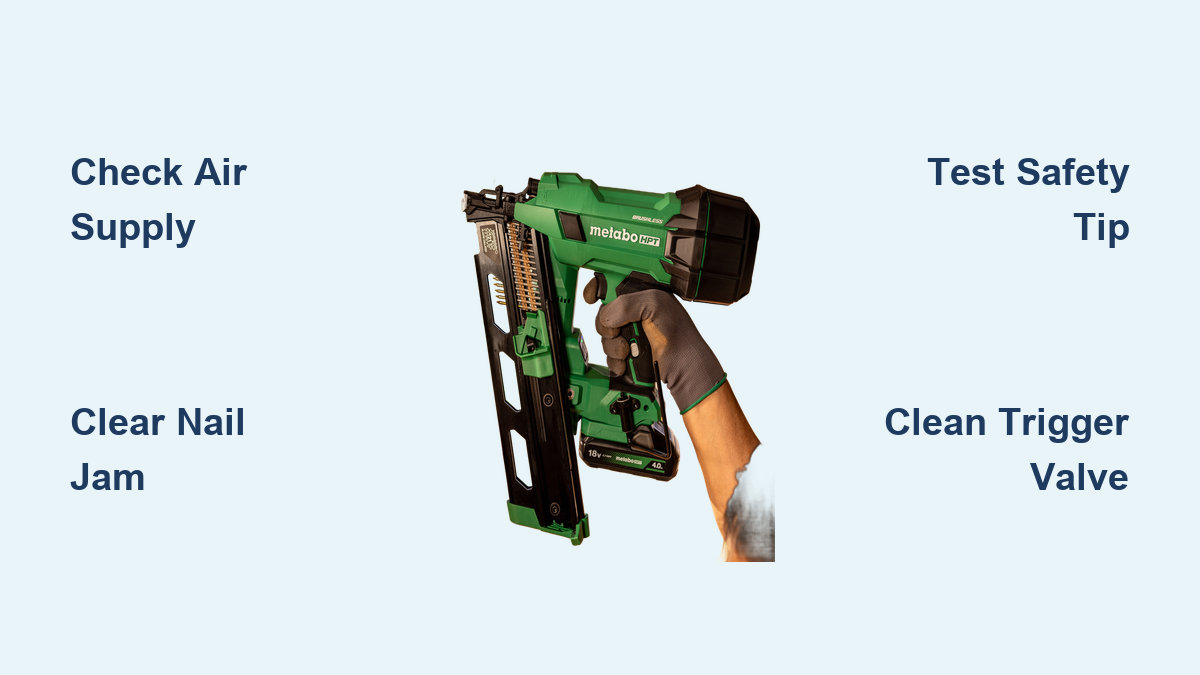
How to Fix Metabo Framing Nailer Not Firing
You’re in the middle of a framing job, and suddenly your Metabo framing nailer refuses to fire. Frustration kicks in because deadlines are tight and every minute counts. A Metabo framing nailer not firing is a common issue, but it can stem from several causes, ranging from simple fixes to more serious mechanical failures. The good news is that most problems can be diagnosed and resolved quickly with basic tools and a systematic approach.
In this guide, you’ll learn how to identify why your Metabo framing nailer isn’t working and what steps to take to get it back in action fast. We will walk through air supply checks, jam clearing procedures, trigger troubleshooting, safety mechanism resets, and maintenance tips to prevent future issues. Whether you are using a Metabo KF or another model, these solutions apply across their pneumatic framing nailer lineup.
Check Air Supply and Hose

Before diving into internal components, confirm your air supply is delivering adequate pressure. Many “not firing” issues are actually airflow problems that mimic mechanical failure.
Verify Compressor Output
Ensure your compressor is running and building pressure. Most Metabo framing nailers require 70–120 PSI for proper operation. Check the compressor gauge to see if it reaches at least 90 PSI. If not, the compressor may be undersized, malfunctioning, or have a faulty pressure regulator.
Inspect Air Hose and Fittings
A kinked, twisted, or damaged air hose can restrict airflow. Disconnect the hose from both the compressor and nailer, then blow air through it to check for blockages. Look for cracks or splits in the hose, worn or stripped connectors, and swivel joint failure. Replace the hose if any damage is found because even minor internal tears can reduce pressure enough to stop the nailer from firing.
Test Quick-Disconnect Coupling
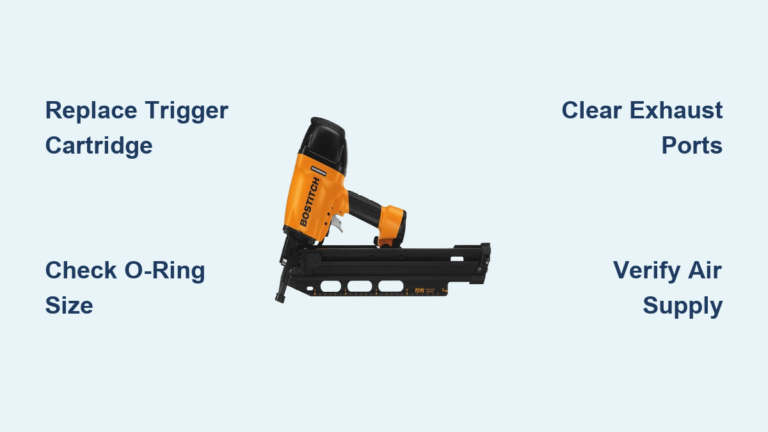
The quick-disconnect fitting on the nailer must seal tightly. A leaking or worn coupling causes pressure loss that mimics internal failure. Attach the hose and listen for hissing. If air escapes at the connection, clean both coupling surfaces, replace O-rings if cracked or missing, or upgrade to a high-flow, industrial-grade coupler. Always rule out connection issues first.
Clear Nail Jams Quickly
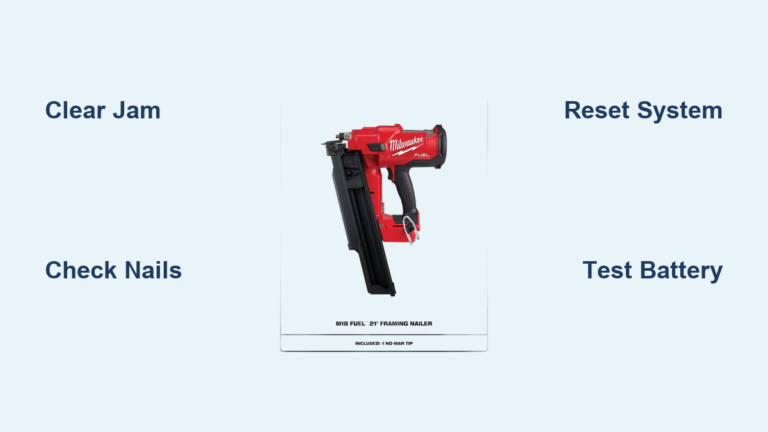
A jammed nail is the most frequent cause of a Metabo framing nailer not firing. When nails bind in the magazine or driver area, the piston cannot cycle properly.
Open the Magazine Safely
Unplug the air hose before attempting any clearing. Press the magazine release and slide it open. Inspect for double-fed nails, bent or deformed fasteners, and rust or debris buildup. Remove any stuck nails by hand or with needle-nose pliers. Never use metal tools inside the chamber that could damage internal parts.
Free a Stuck Driver Blade
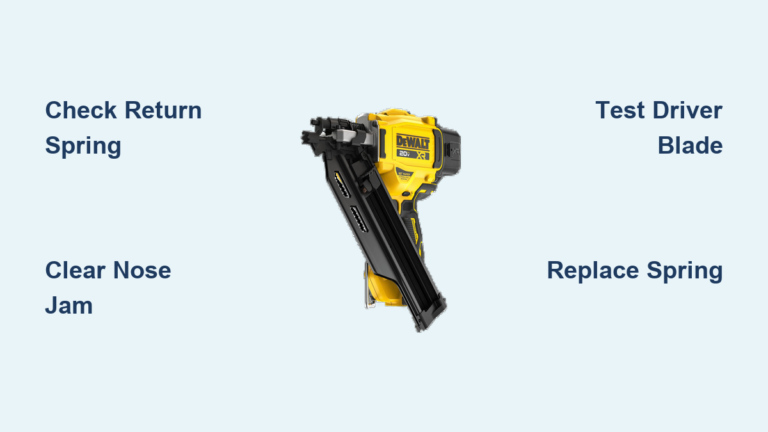
If the driver blade is partially extended and will not retract, a nail may be lodged beneath it. Tilt the nailer nose-down and tap the base gently on a soft surface like wood to dislodge the jam. Do not strike the nose cap with a hammer because this can damage the internal bumper. Once cleared, cycle the tool manually by pressing the safety tip and trigger while disconnected from air to ensure smooth movement.
Prevent Future Jams
Use only recommended nails ranging from 2-inch to 3-1/2-inch framing nails collated with plastic or wire. Avoid mixing nail types or brands. Keep the magazine clean and lubricated with a few drops of pneumatic tool oil weekly.
Examine Safety Mechanism
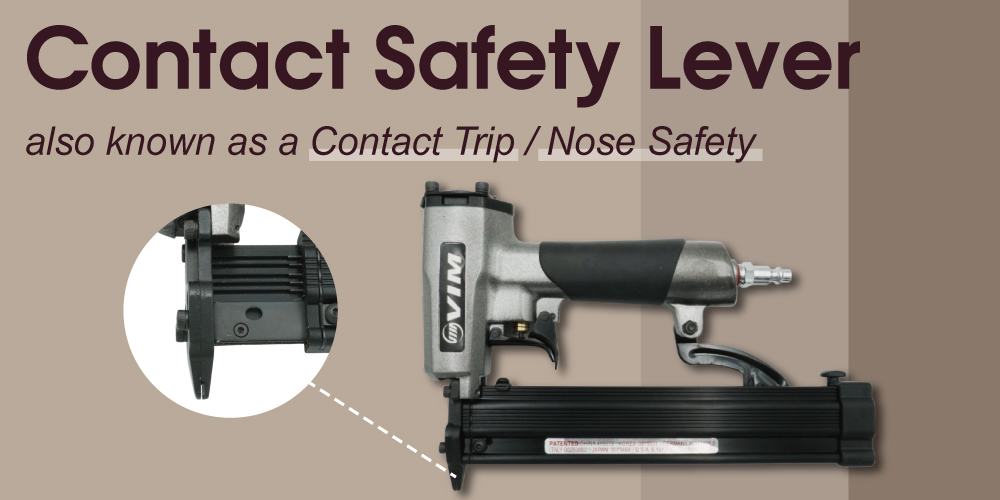
Metabo nailers use a dual-contact safety system. If the safety is not fully depressed, the tool will not fire even with proper air and no jams.
Test Nose Safety Tip
The safety tip at the nose must touch the work surface before the trigger activates. Check for cracks or breakage, debris blocking movement, and bent contact arms. Clean around the pivot points and ensure the tip moves freely. If broken, replace the safety assembly and never bypass it.
Confirm Proper Firing Mode
Some models allow sequential or contact firing modes. Ensure the switch is set correctly if your model is equipped with one. For safety, most contractors use contact mode, where the nail fires as soon as both trigger and safety are pressed. If the mode selector is stuck or damaged, it can interrupt the firing sequence, so clean and lubricate the switch or replace it if necessary.
Diagnose Trigger Valve Issues
If air and safety systems are functional but the nailer still will not fire, the trigger valve may be clogged or failed.
Listen for Air Release
Connect the air hose and pull the trigger. Do you hear a short burst of air from the exhaust? If you hear air, the valve is likely working. If you hear nothing, the valve may be clogged or seized. No air release indicates a blockage or internal failure in the valve.
Clean or Replace Trigger Valve
Disassemble the trigger housing by referring to your model’s manual. Soak the valve components in mineral spirits to dissolve built-up oil residue and debris. Dry thoroughly and reassemble. If cleaning does not restore function, replace the entire trigger valve assembly using Metabo OEM replacement parts. Avoid using WD-40 on internal valves because it attracts dust and gums up over time. Use only pneumatic tool oil for lubrication.
Inspect Internal Piston and Seals

Loss of internal pressure due to worn seals can prevent the driver from striking with enough force to fire a nail.
Check for Weak Strikes
If the nailer makes a thud but does not drive the nail fully, the piston may not be cycling correctly. This points to worn O-rings, damaged cylinder walls, or low air pressure due to internal leaks.
Disassemble and Inspect
Remove the head cap and cylinder. Pull out the piston and inspect rubber seals for cracks, swelling, and misalignment. Replace all seals as a set using a rebuild kit because even one worn seal reduces efficiency. Reassemble carefully, ensuring all parts are seated correctly. Over-tightening the head cap can crush seals, so use a torque wrench if specified.
Test with Another Compressor
Even if your compressor appears to work, it might not deliver enough volume to cycle the nailer under load.
Borrow a Known-Working Compressor
Connect your Metabo nailer to a different, high-capacity compressor with a minimum output of 5 CFM at 90 PSI. Test fire the tool. If it works, your original compressor is the culprit. Check the tank size versus demand, the duty cycle rating, and the hose length since long hoses reduce effective pressure. A 20-gallon or larger compressor is ideal for framing nailers because portable pancake compressors often lack the sustained airflow needed.
Maintain to Prevent Failure
Regular maintenance prevents most “not firing” issues before they start.
Lubricate Daily
Add 5–6 drops of pneumatic tool oil into the air inlet every morning before use. Run the tool for a few seconds to distribute oil. This keeps valves and seals supple and reduces wear.
Clean After Each Use
Wipe down the tool and clear debris from the magazine and nose. Store in a dry place to prevent rust and corrosion.
Schedule Professional Service
Have your nailer professionally serviced every 6–12 months, especially with heavy use. Technicians can spot early wear and replace parts before failure occurs.
Frequently Asked Questions About Metabo Framing Nailer Not Firing
Why does my Metabo framing nailer fire but not drive the nail fully?
This usually indicates weak strikes caused by worn piston seals, damaged cylinder walls, or low air pressure due to internal leaks. Disassemble the head and inspect the O-rings for cracks or swelling. Replace all seals as a set using a rebuild kit.
What PSI does a Metabo framing nailer need?
Most Metabo framing nailers require between 70 and 120 PSI for proper operation. Check your compressor gauge to confirm it reaches at least 90 PSI before troubleshooting internal components.
Can I use WD-40 to lubricate my pneumatic nailer?
No, avoid using WD-40 on internal valves because it attracts dust and gums up over time. Use only pneumatic tool oil for lubrication. WD-40 is suitable for external cleaning but not for internal valve maintenance.
How do I clear a nail jam in my Metabo nailer?
Unplug the air hose first for safety. Open the magazine, remove any stuck or bent nails by hand or with needle-nose pliers, and tap the base gently on wood to dislodge a stuck driver blade. Never strike the nose cap with a hammer because this can damage the internal bumper.
What size nails should I use in a Metabo framing nailer?
Use only recommended framing nails ranging from 2-inch to 3-1/2-inch, collated with plastic or wire. Avoid mixing nail types or brands, and keep the magazine clean and lubricated weekly.
How often should I service my Metabo nailer?
Have your nailer professionally serviced every 6–12 months, especially with heavy use. Daily lubrication with pneumatic tool oil and cleaning after each use will extend service intervals and prevent most firing issues.
Key Takeaways for Fixing a Metabo Framing Nailer Not Firing
A Metabo framing nailer not firing is rarely a total failure because it usually traces back to a simple issue like low air pressure, a nail jam, or safety mechanism blockage. Start your diagnosis with air supply checks, then move to jam clearing, safety tip inspection, and trigger valve testing. With proper daily lubrication, regular cleaning, and scheduled professional service, your Metabo nailer will deliver reliable performance for years. Keep this guide on your job site, and you will spend less time troubleshooting and more time framing.