How Cordless Nailers Work: Simple Guide
You pull the trigger and a nail sinks flush into the wood. No hose, no compressor, no cord. Just clean, powerful driving force from a tool you can carry with one hand. But how does a cordless nailer work without an external air supply?
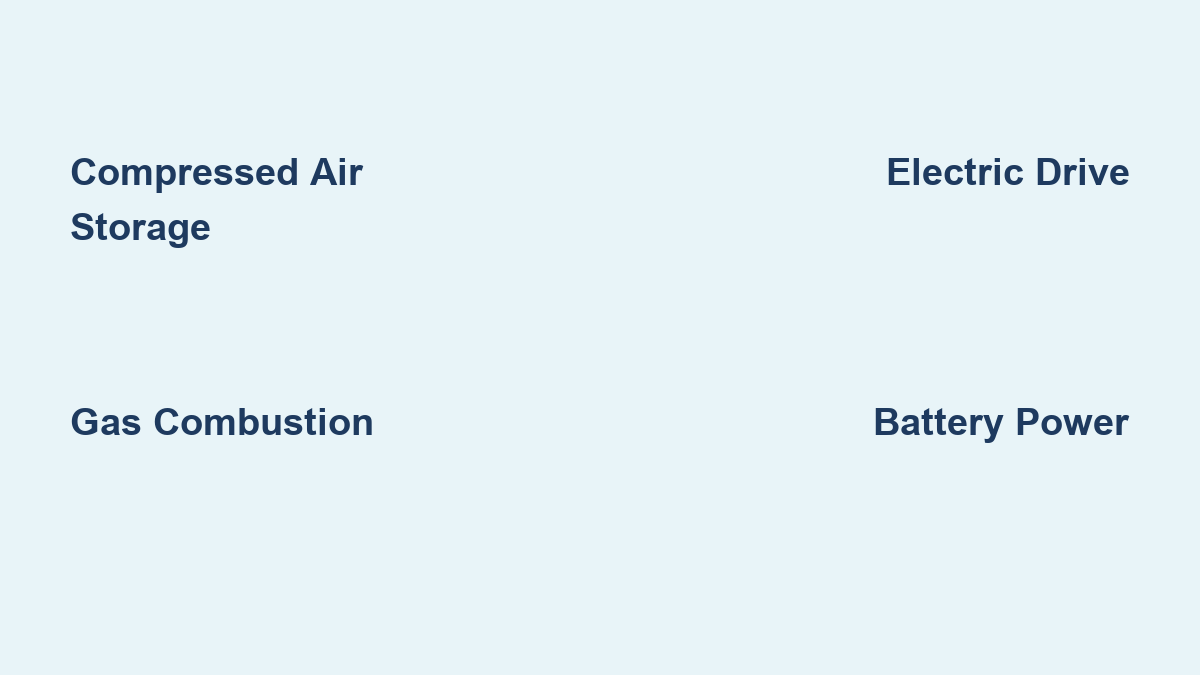
The answer lies in one of three internal power systems: compressed air storage (cordless pneumatic), gas combustion, or direct electric drive. Each method creates the force needed to drive nails, yet they differ significantly in speed, power, maintenance, and ideal use cases. Understanding these differences helps you pick the right tool and use it more effectively.
This guide walks you through the inner workings of each cordless nailer type, compares their real-world performance, and shows you what to expect during operation and maintenance. Whether you frame houses, install trim, or tackle weekend DIY projects, knowing the mechanics behind your tool leads to better results and longer tool life.
Cordless Pneumatic: Air Power Without the Hose
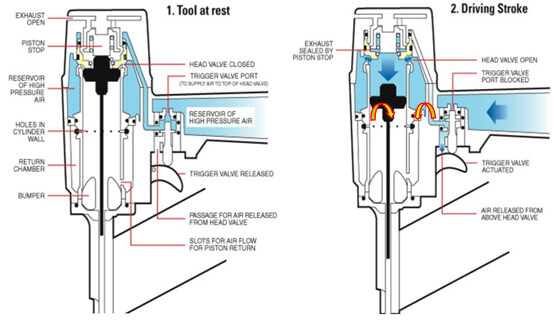
Cordless pneumatic nailers deliver the feel and performance of traditional air nailers without being tethered to a compressor. They achieve this through a sealed internal air system that reuses compressed air in a closed loop.
Instant Fire, Instant Recompression
When you pull the trigger, stored compressed air instantly drives the piston down, launching the nail into the material. The moment the shot fires, the battery-powered motor kicks in, turning a gearbox and lifter that raise the driver blade. As it lifts, the piston recompresses the same air, readying the tool for the next shot, all in under a second.
This closed-loop system means no exhaust, no refilling during normal use, and consistent power shot after shot. There is no ramp-up delay, making it faster than most electric models. Newer versions include a pressure release valve, allowing safe depressurization for storage, maintenance, and even refilling if the seal is compromised.
Key Components in Action
- Battery: Powers the motor to recompress air after each shot.
- Motor and Gearbox: Converts electrical energy into mechanical motion.
- Lifter and Driver Blade: Lifts the driver to reset the system.
- Pressurized Air Cylinder and Piston: Stores and releases force to drive nails.
Because the system is sealed, it resists dust and debris, enhancing durability. Air pressure self-regulates slightly with heat, protecting internal seals from over-stressing during extended use.
Gas-Powered Nailer: Combustion in Your Hand
Gas-powered cordless nailers operate like tiny internal combustion engines. Instead of drawing power from a battery-driven motor or stored air, they create force through controlled explosions.
Trigger to Explosion in Milliseconds
Pulling the trigger releases a precise amount of fuel, usually propane or butane, from a disposable cartridge into a combustion chamber. An electronic spark ignites the gas, creating rapid expansion of hot gases that drive the piston downward with high impact.
This delivers maximum power, ideal for dense materials like hardwood, concrete formwork, or steel decking. Since the drive force comes from combustion, not the battery, the battery only powers the fan and ignition. That means consistent power even as the battery drains.
Ventilation Matters
Unlike cordless pneumatic tools, gas nailers produce exhaust, including carbon monoxide and other fumes, requiring adequate ventilation. This makes them unsuitable for enclosed indoor spaces or occupied rooms. They perform best at outdoor or open construction sites.
They also generate more noise and recoil than electric or pneumatic models, which can affect control during fine work.
Electric/Battery-Driven Nailers: Direct Electromechanical Force
Battery-powered electric nailers skip gas and stored air altogether. Instead, they use a high-torque electric motor or solenoid to drive the nail directly.
Flywheel vs. Solenoid Systems
Some models use a flywheel: when the trigger is pressed, the motor spins up a weighted wheel that stores kinetic energy. Once at speed, the energy releases to drive the nail. This causes a noticeable ramp-up delay. You pull the trigger, hear the motor whir, then the nail fires.
Others use a solenoid, where an electromagnetic coil pulls a plunger down to strike the nail. These are simpler but often deliver less force and serve lighter-duty applications like trim or craft nailing.
Performance on a Dying Battery
One major downside: power drops as the battery drains. A fully charged battery may drive nails flush, but a low charge can result in inconsistent depth or partial drives. This makes them less reliable for long runs compared to gas or cordless pneumatic tools.
However, they are quiet, emission-free, and low-maintenance, making them perfect for indoor finish work where precision and cleanliness matter.
Speed and Power Compared
Cycle Time: Who Fires Fastest?
- Cordless Pneumatic: Fastest, with no ramp-up, instant shot, and rapid recompression. Up to 60% faster than flywheel electric models.
- Gas-Powered: Near-instant fire with no motor spin-up, though a slight delay occurs for chamber clearing.
- Electric (Flywheel): Slowest due to spin-up time, especially in cold or low-battery conditions.
Power Output by Material Type
| Material | Best Tool Type | Why |
|---|---|---|
| Hardwood, Concrete, Steel | Gas-Powered | Highest impact force, consistent regardless of battery |
| Softwood Framing | Cordless Pneumatic | Fast, powerful, no fumes |
| Trim, Cabinetry, Finish Work | Electric or Cordless Pneumatic | Low recoil, quiet, precise |
| DIY Projects (Baseboards, Shelving) | Electric | Simple, low maintenance, safe indoors |
Operating Your Cordless Nailer Safely
Prepare Before You Fire
- Wear Safety Gear: Always use safety goggles, gloves, and a helmet. Flying nails and debris are real hazards.
- Load Nails Correctly: Insert the nail strip into the magazine (usually on the back or underside), then lock it securely.
- Install Power Source:
– Battery models: Snap in a fully charged lithium-ion pack.
– Gas models: Insert a fresh fuel cartridge.
– Pneumatic models: Ensure the battery is charged to power the recompression motor.
Nail with Control
- Stance: Feet shoulder-width apart for a stable base.
- Grip: Two hands, one on the handle, one supporting the barrel.
- Position: Tip perpendicular to the surface unless angled nailing is needed.
- Fire: Pull the trigger firmly while pressing the nose against the material.
- Reset: Release the trigger, keep the tool pointed down, and move to the next spot.
Always perform trial shots on scrap wood first to test depth, angle, and pressure. This prevents blowouts or misfires on your actual project.
Maintenance That Extends Tool Life
Clean the Feed Path Regularly
Dust, wood resin, and debris clog the magazine and cause jams. After every few uses, disassemble and clean the nail path with a dry brush or compressed air.
Depressurize Pneumatic Models
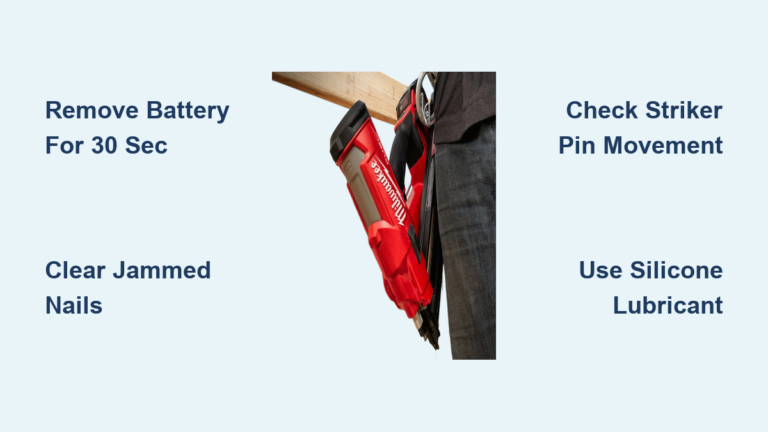
Before storing or servicing a cordless pneumatic nailer, use the pressure release valve to safely vent internal air. This prevents accidental dry-fires and makes repairs safer.
Service Gas Tools Frequently
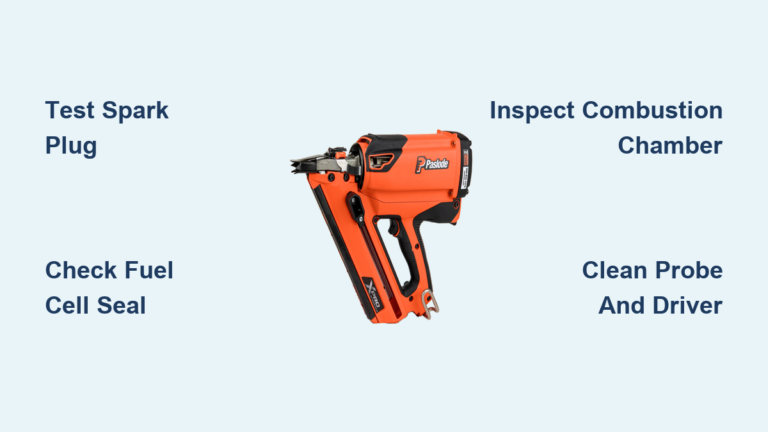
Carbon buildup in the combustion chamber can cause diesel-ing (firing without a trigger pull) or misfires. Clean the chamber and check the spark plug or ignition system every few fuel cartridges. Replace gaskets and o-rings as needed.
Care for Batteries Properly
- Avoid leaving batteries on the charger overnight.
- Store in moderate temperatures, away from freezing or direct sun.
- Use only manufacturer-recommended chargers to prevent degradation.
Which Cordless Nailer Is Right for You?

Heavy-Duty Construction: Choose Gas
For framing, roofing, or subflooring, gas-powered nailers deliver unmatched power and speed. They are built for outdoor, high-volume work where fumes are not a concern. Just budget for higher ongoing costs from fuel cartridges and more frequent maintenance.
Finish and Trim Work: Go Electric or Pneumatic
For baseboards, crown molding, or cabinetry, battery-powered or cordless pneumatic tools shine. They are quiet, clean, and offer smooth, controlled driving with minimal recoil. Electric models suit DIYers; pneumatic ones give pros the familiar feel of an air gun.
Professional All-Rounder: Pick Cordless Pneumatic
If you want the best of both worlds, speed, power, and no fumes, a cordless pneumatic nailer is ideal. It matches the performance of a pneumatic nailer without the hose, making it perfect for contractors who move between indoor and outdoor jobs.
Weekend Projects: Battery-Powered Wins
For occasional use like hanging shelves, building a deck, or small repairs, an electric cordless nailer is the most practical. No fuel to buy, no exhaust, and minimal upkeep. Just charge the battery and go.
Troubleshooting Common Issues
Nails Not Firing Fully
- Check battery charge (electric models).
- Inspect for jams in the magazine.
- Clean the driver blade (gas models, since carbon buildup slows movement).
- Verify air pressure (pneumatic, use the release valve to test).
Misfires or Double-Fires
- Gas models: Dirty combustion chamber or weak spark. Clean and inspect ignition.
- Electric models: Low battery or worn solenoid.
- Pneumatic models: Worn seals causing air leaks. Replace seals via service kit.
Tool Won’t Reset
- Ensure the battery is charged (pneumatic/electric).
- Check for obstructions in the driver path.
- Depressurize and inspect the lifter mechanism.
Long-Term Durability by Type
- Cordless Pneumatic: Most durable. The sealed system protects internals, and modular design allows part replacement.
- Gas-Powered: High thermal stress on combustion parts leads to shorter lifespan without diligent cleaning.
- Electric: Motor or solenoid failure often means replacement. Batteries degrade over 2 to 3 years.
Frequently Asked Questions About Cordless Nailers
What is the main difference between cordless nailer types?
The three main types differ in how they generate driving force. Cordless pneumatic tools reuse compressed air in a closed loop, gas-powered tools use controlled combustion from fuel cartridges, and electric models use a motor or solenoid to drive nails directly.
Are cordless nailers powerful enough for professional work?
Yes. Modern cordless pneumatic and gas-powered nailers match or exceed the performance of traditional pneumatic tools. Gas models handle the heaviest jobs like framing and steel decking, while cordless pneumatic models suit most professional woodworking needs.
Can I use a gas nailer indoors?
No. Gas-powered nailers produce exhaust fumes, including carbon monoxide, making them unsafe for enclosed or occupied indoor spaces. Electric or cordless pneumatic nailers are better choices for indoor work.
Why does my electric nailer slow down as the battery drains?
Electric nailers depend on battery power to drive the motor or solenoid. As the charge drops, available power decreases, leading to inconsistent nail depth or partial drives. Gas and cordless pneumatic tools avoid this issue because their drive force comes from combustion or stored air.
How often should I clean my cordless nailer?
Clean the feed path and magazine after every few uses to prevent jams. Gas models need combustion chamber cleaning every few fuel cartridges. Pneumatic models benefit from periodic seal inspection using the pressure release valve.
Do cordless pneumatic nailers ever need refilling?
Under normal use, no. The closed-loop system recompresses the same air continuously. However, newer models include a pressure release valve that allows refilling if the seal is compromised or after long-term storage.
Key Takeaways for Choosing and Using a Cordless Nailer
Cordless nailers work by generating driving force internally through one of three systems: stored compressed air, controlled combustion, or direct electric drive. Each system offers distinct advantages depending on your job, environment, and performance needs.
For heavy-duty outdoor work, gas-powered models deliver unmatched power. For indoor finish work and general professional use, cordless pneumatic tools offer the best balance of speed, power, and cleanliness. For occasional DIY projects, battery-powered electric models provide simplicity and low maintenance.
Now that you understand how a cordless nailer works, assess your typical projects and choose the type that matches your needs. Test your selection on scrap material before starting your real project, and follow the maintenance guidelines to keep your tool firing reliably for years.