
Framing Nailer Size Guide
You’re standing on a job site with your framing nailer loaded, ready to drive the first nail into a top plate. Then the question hits: Should this be a 3.5-inch or 3.25-inch nail? You’ve heard framers debate this for years, and the answers online are all over the map. If you’re confused about framing nailer size, you’re in good company.
The framing nailer size you choose affects building code compliance, structural integrity, and daily workflow. The standard 16d framing nail measures 3.5 inches long with a 0.131-inch diameter, yet many top-rated framing nailers max out at 3.25-inch nails. This gap between code requirements and tool capability leaves builders navigating a gray area, often without clear guidance from inspectors.
This guide breaks down the actual dimensions of 16d nails, what the International Residential Code (IRC) requires, why 3.25-inch nails dominate job sites, and how to match your framing nailer to your project. By the end, you’ll know exactly which nail length fits your build, and why that quarter-inch difference matters more than you might think.
Nail Size Basics: What “16d” Really Means
The Penny System Explained
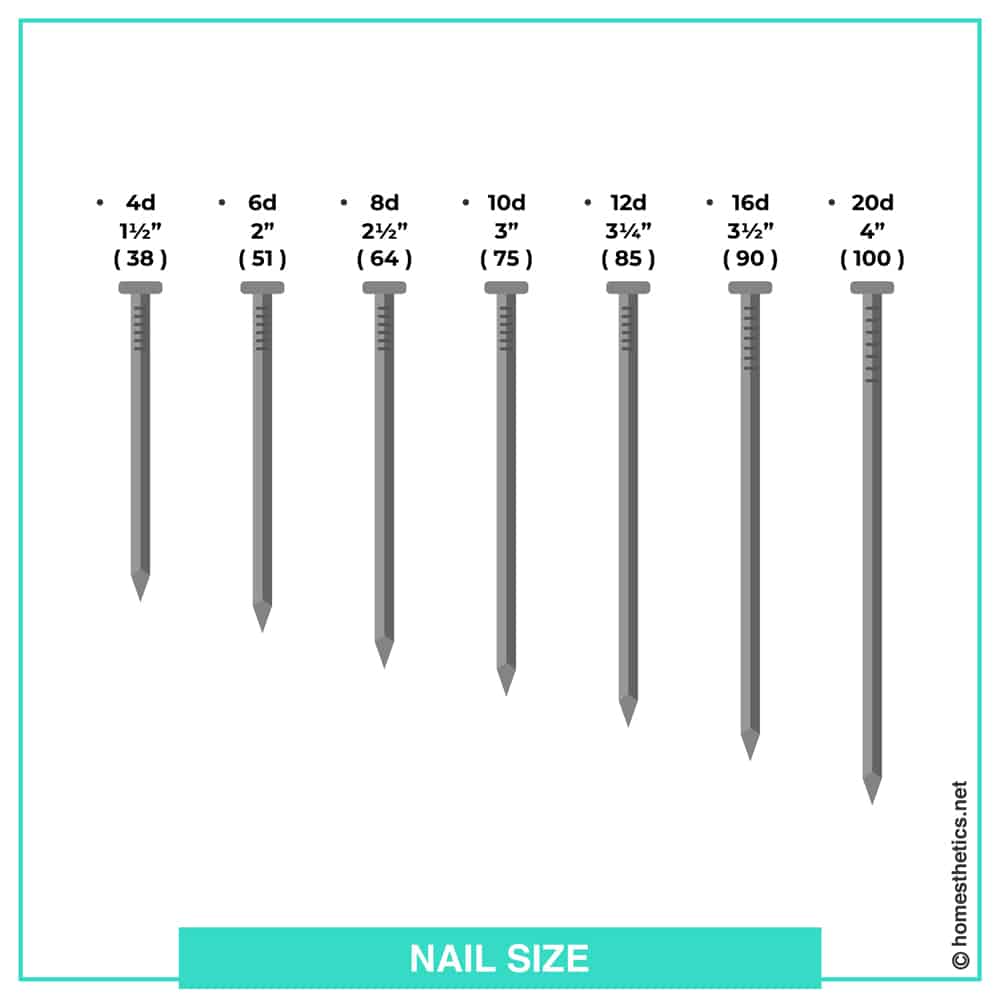
The designation “16d” stands for “16-penny,” a historical term that refers only to nail length, not thickness or strength. In modern construction, a 16d nail is 3.5 inches long, regardless of gauge or shank type. This system dates back centuries but remains the standard classification method.
For quick reference:
– 8d = 2.5 inches
– 10d = 3 inches
– 16d = 3.5 inches
Despite this standard, many framers use 3.25-inch nails labeled as “16d,” even though they’re technically shorter. This practice stems from tool limitations and driving ease, not code compliance.
Standard 16d Nail Dimensions
A true 16d framing nail has these specs:
– Length: 3.5 inches
– Diameter: 0.131 inches
– Shank Type: Smooth, ring, or screw
– Head Type: Full round or D-head (clipped)
The 0.131-inch diameter offers a practical balance of strength and drivability. Nails typically come plastic-collated in 20–22° or 28–34° strips, depending on the nailer model.
Many framing nailers cap at 3.25 inches, pushing builders toward shorter fasteners and raising legitimate questions about structural performance.
Why 3.25-Inch Nails Dominate Job Sites
Despite code calling for 3.5″, 3.25-inch nails rule the framing industry. The main reason: most high-rated framing nailers only accept nails up to 3¼”. Manufacturers prioritize speed and reduced jamming over maximum length.
Sinking a 3.5-inch nail into dense lumber like LVL (Laminated Veneer Lumber) also requires perfect compressor pressure and technique. Many framers find 3.25-inch nails easier to drive fully, which reduces blowouts and ensures consistent seating.
This has created a persistent disconnect: code says 3.5″, practice says 3.25″, and inspectors rarely challenge the difference.
Building Code Requirements for Framing Nails
.jpg)
IRC Standards for 16d Nails
The International Residential Code (IRC) is explicit: stud-to-plate connections require two 16d nails (3.5 inches long). This appears in IRC 2015 Table 602.3(1) under wall framing requirements.
Using shorter nails doesn’t automatically fail inspection. However, if you deviate, you must increase fastener quantity to achieve equivalent structural performance. The code permits 3-inch nails as an alternative, but only with more nails per connection.
Here’s the catch: 3.25-inch nails aren’t explicitly listed in the code. They fall into a gray area between compliant 3-inch and required 3.5-inch options. Using them without adjusting quantity or spacing technically violates code.
Canadian Code: Application-Specific Requirements
Canadian building codes take a more targeted approach. Rather than blanket requirements, they specify where longer nails are mandatory:
– Ledgers on beams
– Toe-nailing joists and trusses
– Bottom plate connections
– Critical structural joints
In other areas, shorter nails may be acceptable. This flexibility lets framers use 3-inch or even 2.5-inch nails where full penetration isn’t critical, reducing splitting and improving efficiency.
Canadian inspectors focus on correct application rather than universal length rules.
Code Compliance vs. Real-World Practice
Here’s the reality check: most inspectors don’t measure framing nail length. They focus heavily on sheathing nailing patterns (6-inch edge spacing, 12-inch field spacing) rather than stud-to-plate fasteners.
One experienced framer noted: “Inspectors ask what nails we used for sheathing, but never for studs.” In areas with no building inspectors, the builder carries full responsibility for code compliance.
Still, if a structural failure occurs later, non-compliant nail length could become a liability issue.
Why Framers Choose 3.25-Inch Nails
Tool Limitations and Design Constraints
The biggest factor behind 3.25-inch prevalence? Most framing nailers can’t shoot 3.5-inch nails. Many popular models, especially 21° and 28° plastic-collated versions, max out at 3¼”.
Even when a nailer handles 3.5″ nails, fully driving them into dense materials is challenging. Inconsistent sinking leads to proud nails and weak connections, which means costly callbacks.
Manufacturers design for reliability and speed, not maximum code compliance. The market rewards nailers that handle 3.25″ nails smoothly, reinforcing the trend.
Difficulty Driving 3.5-Inch Nails
Even with a compliant nailer, sinking a 3.5-inch nail requires:
– Proper compressor pressure (90–120 psi)
– Correct depth adjustment
– High-quality nails with consistent shank geometry
In hardwoods or engineered lumber, the nail may bend or stop short, especially during angled toe-nailing. This is a major concern for toe-nailing applications, where precision drives structural integrity.
Framers consistently report that 3.25-inch nails drive cleaner and faster, reducing fatigue and boosting productivity. For a DIYer tackling a bathroom remodel, this ease-of-use difference can decide the project.
Structural Impact of Shorter Nails
Does that quarter-inch really matter?
In most residential applications, not significantly. When walls feature 1/2-inch CDX plywood sheathing nailed at 6″/12″ spacing, the sheathing itself provides substantial lateral support, helping hold studs in place even with slightly undersized framing nails.
Engineers often specify 3-inch nails for shear walls, acknowledging that shorter fasteners work when combined with proper sheathing. The missing 1/4-inch on framing nails may be offset entirely by this secondary structural system.
However, in critical connections like headers or ledgers, every inch of penetration counts, and 3.5-inch nails still rule.
Nail Head, Shank, and Collation Types
Full Round vs. D-Head Nails
Two head types dominate framing work:
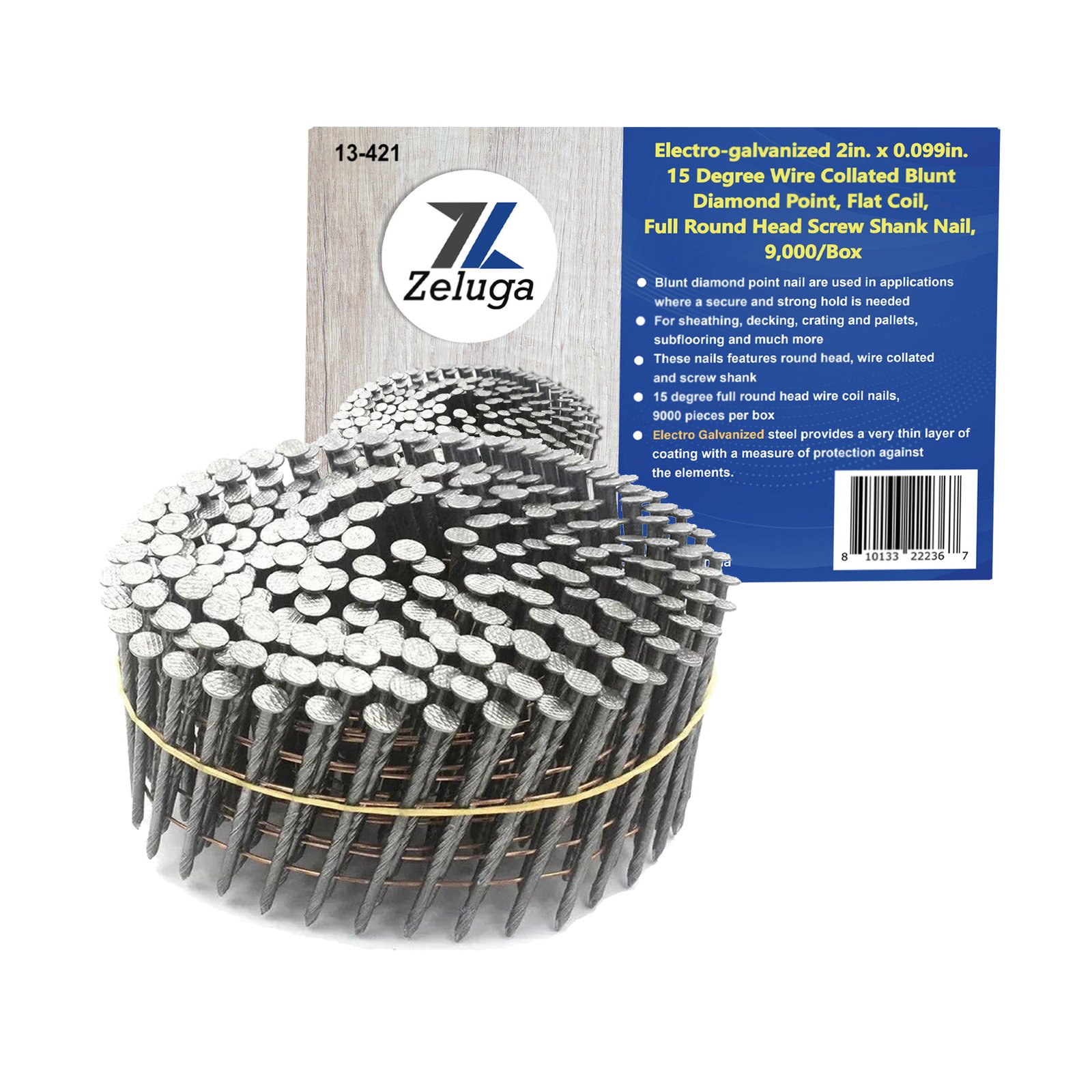
– Full Round Head: Maximum pull-through resistance, traditional profile
– D-Head (Clipped Head): Slightly less holding power, but feeds more reliably
No code prohibits D-head nails for structural framing. Both types are acceptable when length and gauge meet requirements. Full heads suit high-load applications; D-heads maximize magazine capacity and speed.
Ring and Screw Shank Options
- Smooth Shank: Standard for most framing, adequate for interior walls
- Ring Shank: Enhanced withdrawal resistance, ideal for high-wind zones or decks
- Screw Shank: Maximum grip, used in seismic areas or heavy timber
For typical residential framing, smooth shank 16d nails work fine. In demanding environments, ring or screw shanks add security.
Collation Options
Nails come collated in three main formats:
– Plastic (20–22° or 28–34°): Most common, feeds smoothly but leaves debris
– Wire (30–34°): Stronger strips, better for angled nailing, fewer jams
– Paper (34°): Biodegradable, specialty use
Your nailer must match the collation angle and type. A 21° nailer won’t accept 30° strips, so verify compatibility before buying nails.
Choosing the Right Framing Nailer
Key Specifications for DIYers
For home projects, look for a framing nailer that:
– Accepts 3.5-inch nails (for full code compliance)
– Handles 0.131-inch diameter (standard 16d gauge)
– Works with plastic or wire collation
– Supports both full round and D-head nails
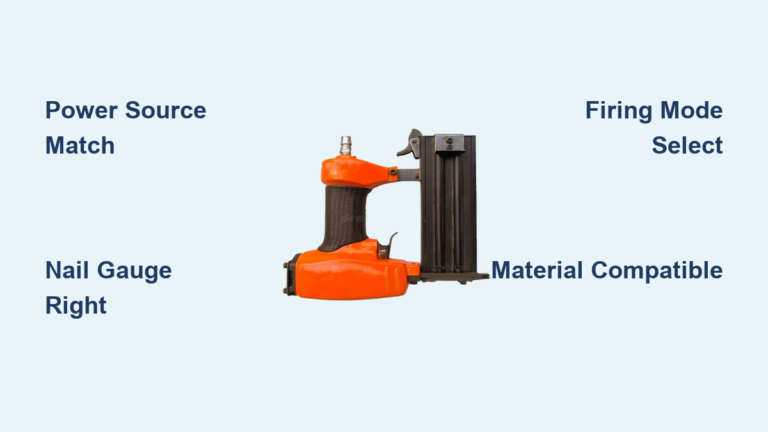
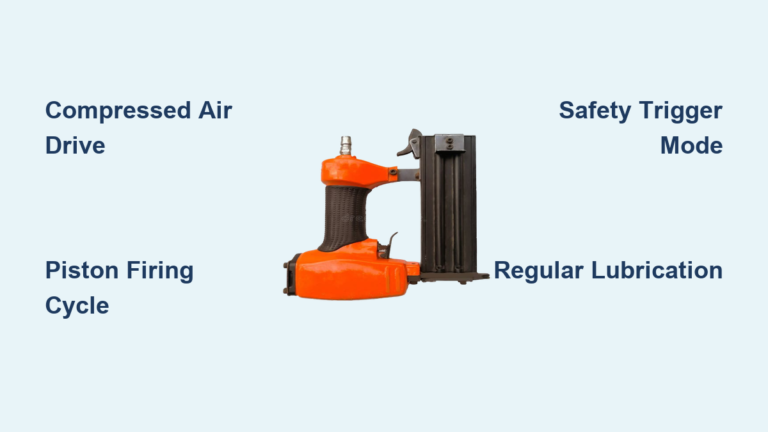
The R350RHF 21° Round Head Framing Nailer accepts 2-inch to 3.5-inch nails, holds 60–70 nails in the magazine, and features a tool-free trigger for switching between contact and sequential firing modes.
Compressor Requirements
For consistent performance:
– Use a 6-gallon, 150 psi compressor for small jobs
– Ensure hose length and diameter don’t cause pressure drops
– Maintain 90–120 psi at the tool
Low pressure guarantees incomplete nail driving, especially with longer 3.5-inch fasteners.
Tool Longevity and Service
Some models, like the R350RHF, offer a lifetime service agreement with 90-day registration. This includes free parts and repairs for life, a major benefit for frequent users.
Regular oiling, cleaning, and dry storage extend tool life significantly. Periodically inspect the magazine and driver blade for wear.
Application-Specific Nail Selection
Stud-to-Plate Connections
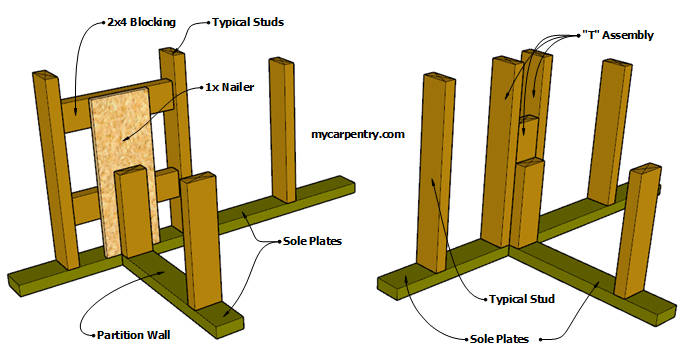
- Code requirement: Two 16d (3.5″) nails
- Common practice: Two 3.25″ nails
- Code alternative: Three 3″ nails if local amendments allow
Place nails 2 inches from ends and stagger them to prevent splitting.
Header and Beam Connections
- Problem: 3.5″ nails can blow out when nailing doubled headers
- Solution: Use 3-inch nails or angle the shot
- Best practice: Hand-drive final nails to compress plies tightly
For ledgers on beams, stick with 3.5-inch nails, as this is a critical load path.
LVL and Engineered Lumber
- Challenge: Dense material resists long nails
- Fix: Use proper compressor pressure and sharp nails
- Tip: Pre-drill or hand-set when necessary
LVLs often require full penetration, so 3.5-inch nails are preferred when the tool allows.
Sheathing and Shear Walls
- Engineers often specify 3-inch nails for 1/2-inch sheathing
- 2.5-inch nails may work in 5.5-inch studs to avoid hitting electrical boxes
- Standard pattern: 6 inches on edges, 12 inches in the field
Sheathing nails contribute more to wall stability than many builders realize, sometimes compensating for shorter framing nails.
Inspector and Engineer Perspectives
What Inspectors Actually Check
Inspectors focus on:
– Sheathing nailing pattern
– Wall alignment and bracing
– Engineer-stamped plans
They rarely pull out a tape measure for framing nail length. One builder reported: “As long as the sheathing is right, they move on.”
But if a wall fails years later, nail length could surface in a liability claim.
Engineer Expectations
Structural engineers may:
– Specify 3-inch nails for all half-inch sheathing
– Require 16d nails for critical connections
– Accept alternative fasteners with proper justification
Some engineers check only spacing and pattern, not nail length. Others demand full compliance with specifications.
Always follow engineered specs when provided, even if they exceed baseline code.
Frequently Asked Questions About Framing Nailer Size
What size nails does a framing nailer use?
A standard framing nailer uses 16d nails measuring 3.5 inches long with a 0.131-inch diameter. However, many models only accept nails up to 3.25 inches long. Always check your tool’s specifications before purchasing nails.
Are 3.25-inch framing nails code-compliant?
According to the 2015 IRC, 3.25-inch nails are not explicitly listed as compliant alternatives. The code permits 3-inch nails when more fasteners are used per connection, but 3.25-inch nails fall into a gray area. They may pass inspection in practice, but technically require justification.
Can a framing nailer shoot 3.5-inch nails?
Some can, but many cannot. Popular models like the R350RHF accept nails from 2 to 3.5 inches, but many competitors max out at 3.25 inches. Check the manufacturer’s specifications for maximum fastener length before buying.
What is the difference between 16d and 16 sinker nails?
A 16d nail is 3.5 inches long, while a 16 sinker (16d sinker) is slightly shorter at 3.25 inches with a thinner diameter (typically 0.148 inches for the head but a reduced shank). Sinker nails are easier to drive but provide less holding power.
How many 16d nails per stud-to-plate connection?
The IRC requires two 16d nails (3.5 inches) for each stud-to-plate connection. If using shorter 3-inch nails, the code requires more fasteners to achieve equivalent structural performance.
What compressor size do I need for a framing nailer?
For DIY projects like bathroom renovations, a 6-gallon, 150 psi compressor works well. Maintain 90–120 psi at the tool for consistent nail driving, especially with longer 3.5-inch fasteners.
Key Takeaways for Choosing the Right Framing Nailer Size
The framing nailer size debate centers on a simple question: does that extra quarter-inch matter? For most residential framing, the answer is no, especially when sheathing provides secondary structural support. But code still says 3.5 inches, and that requirement exists for good reason in critical connections.
Here’s what to remember:
– Standard 16d nails are 3.5 inches long with a 0.131-inch diameter
– 3.25-inch nails dominate practice but fall into a code gray area
– Inspectors rarely enforce framing nail length, focusing instead on sheathing patterns
Your next step: identify your project type, check local code requirements, and choose a framing nailer that accepts 3.5-inch nails if compliance matters. For DIYers prioritizing ease of use on small projects, a 3.25-inch capable nailer may suffice. For pros building to code, invest in a tool that handles full-length 16d nails and keep 3.5-inch fasteners on hand for headers, ledgers, and bottom plates.