
Framing Nailer Types Explained
Choosing the right framing nailer types can make or break your build speed, accuracy, and overall project quality. Framing nailers drive large, heavy-duty nails into lumber, making them essential for walls, roofs, and floors. With multiple framing nailer types available, each offering different power sources, nail compatibility, and firing mechanisms, picking the wrong one can lead to jams, poor results, or costly rework.
This guide breaks down every major framing nailer type, including power options, nail compatibility, magazine designs, and best use cases. Whether you’re a professional contractor framing houses daily or a homeowner building a shed, you’ll learn exactly which framing nailer types fit your needs.
Power Source Differences in Framing Nailer Types
The power source behind a framing nailer affects its portability, cost, and performance. Understanding these differences helps you match the tool to your job site conditions.
Pneumatic Framing Nailers
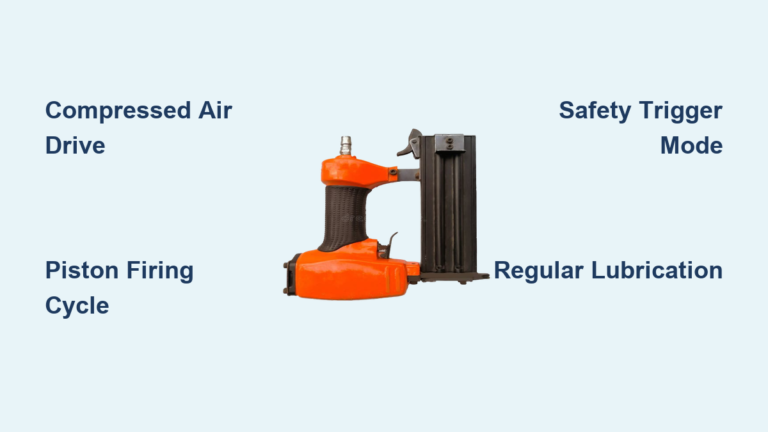
Pneumatic nailers use compressed air from a hose-connected compressor to drive nails.
- Require an air compressor set to 100 to 120 PSI
- Lighter than most cordless and gas models
- Deliver consistent driving power with rapid firing
- Limited mobility due to the air hose
- Not ideal for remote sites without compressor access
Best for: Job sites with existing compressor setups and high-volume framing work.
Cordless Framing Nailers
Cordless models run on rechargeable lithium-ion batteries, often combined with fuel cells or brushless motors.
- No hoses, cords, or compressors required
- Higher upfront cost but faster setup
- Performance varies by brand, though many match pneumatic speed
- Replacement batteries and fuel cartridges add long-term expense
- Generally heavier than pneumatic models
Best for: Roofing, upper-floor framing, or any site where mobility is essential.
Gas-Powered Framing Nailers
Gas framing nailers use small internal combustion charges from fuel cartridges to drive nails.
- Fully portable with no compressor or power cord
- Deliver high driving power for dense lumber
- Use a hybrid system requiring both fuel cells and a battery
- Require regular cleaning of the combustion chamber
- Louder and heavier than other framing nailer types
Best for: Contractors working across large, open sites without power access.
Electric (Corded) Framing Nailers
Corded electric nailers plug directly into a standard outlet.
- Provide steady power with no gas or air setup
- Restricted by cord length and outlet availability
- Lower driving power than pneumatic or gas models
- Rarely used for full-scale structural framing
Best for: Light-duty indoor framing or workshop projects near power sources.
Nail Compatibility and Sizes

Framing nailers use specific nails designed for structural work. Matching the right nail type and size to your tool ensures strong, code-compliant connections.
Clipped Head vs Full Head Nails
The nail head style affects holding power and nailer compatibility.
- Clipped head nails: Have a partial head, allowing tighter nail placement. Common in lighter framing.
- Full head nails: Feature a wider, complete head for stronger pull-out resistance. Required by code in hurricane zones and for critical structural joints.
Always check local building codes before choosing, since some require full head nails for roof and wall framing.
Common Nail Lengths and Gauges
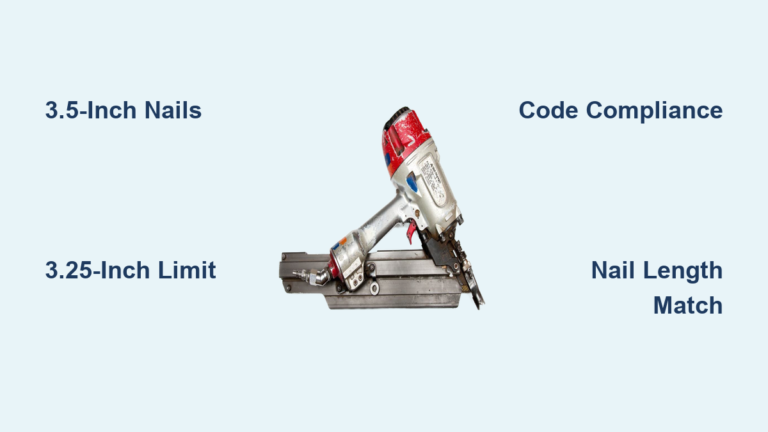
Most framing nailers handle nails ranging from 10D to 16D, with 11- or 12-gauge shafts.
| Nail Size | Length | Typical Use |
|---|---|---|
| 10D | 3″ | Floor and wall framing |
| 11D | 3-1/4″ | Sheathing and decking |
| 16D | 3-1/2″ | Heavy wall and beam framing |
Most framing nailer types accept nails between 3″ and 3-1/2″. Match nail length to your lumber thickness for optimal holding strength.
Angled vs Straight Magazine Design
The magazine angle determines nail access in tight spaces and the types of nails you can use.
- 21° to 22° nailers: Use clipped head nails. Most common framing nailer type. Fit standard nail strips.
- 28° nailers: Use full head nails. Ideal for code-required builds. Need specific compatible nails.
- Straight (0°) nailers: Rare in framing. Used mainly for flooring or specialty tools.
Choose based on your required nail type and job site accessibility.
Primary Framing Nailer Types by Application
Different framing nailer types serve specific phases of construction. Choosing the right one improves efficiency and structural strength.
Full-Frame vs Skid-Plate Nose Design
The nose design affects how the nailer contacts the workpiece and fits in tight spaces.
- Full-frame nose: Heavy-duty contact for consistent firing on flat surfaces.
- Skid-free or open nose: Allows angled firing in tight corners, ideal for roof trusses.
Skid-free models offer flexibility but may wear faster under heavy use.
Sideload vs End-Load Nailers

Magazine loading style affects reload speed and tool balance.
Sideloading Nailers
- Magazine loads from the side
- Enable faster one-handed reloads
- Offer balanced weight distribution
- Common in pneumatic and gas framing nailer types
Ideal for rapid-fire wall framing.
End-Loading Nailers
- Nails feed from the rear of the tool
- Simpler internal mechanism
- Often found in lighter-duty models
- Slower to reload, especially one-handed
Better for occasional use or tighter budgets.
Top Features to Compare Across Framing Nailer Types
When evaluating framing nailer types, focus on features that affect safety, speed, and durability.
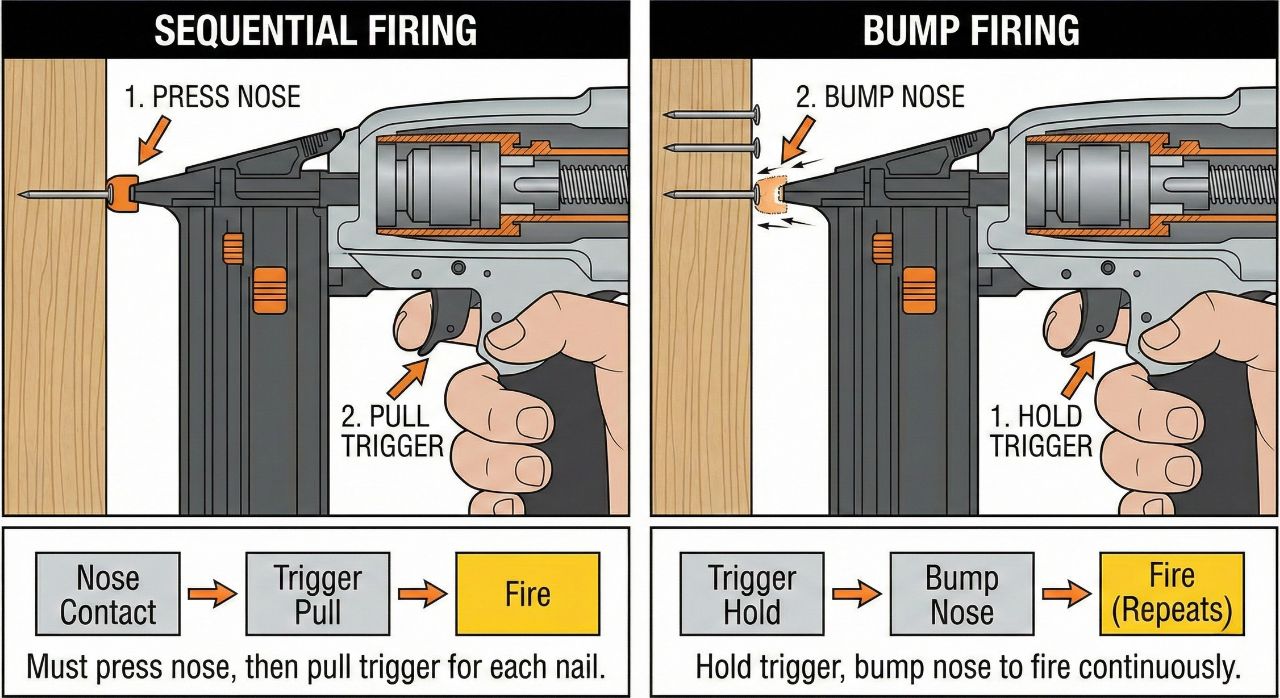
Sequential vs Contact Trigger Modes
The firing mechanism impacts both safety and productivity.
- Sequential trigger: Requires a trigger pull followed by contact tip press. Safer and ideal for precise work.
- Contact (bump) trigger: Fires when both trigger and tip engage simultaneously. Faster but riskier.
Professionals often prefer sequential triggers for roof work and bump fire for open wall framing.
Depth Adjustment Control
Depth adjustment lets you control how deep each nail sinks.
- Prevents under-driving, which weakens holds
- Prevents over-driving, which splits wood
- Adjust via dial or knob near the nose
- Essential when switching between wood densities
Always test on scrap wood before starting your project.
Anti-Dry Fire Lockout
This safety feature stops the tool from firing when the magazine is empty.
- Protects the driver blade from damage
- Reduces long-term maintenance costs
- Standard on most modern framing nailer types
A small feature that significantly extends tool life.
Best Use Cases by Project Type
Match framing nailer types to your specific construction task for the best results.
Wall Framing Applications
Speed and nail capacity matter most when framing walls.
- Use a pneumatic 21° clipped head nailer with bump fire mode
- Choose 3″ to 3-1/2″ nails for standard 2×4 and 2×6 walls
- Pick a high-capacity magazine to reduce reloads
- Select a lightweight tool to minimize arm fatigue
Recommended: Sideloading pneumatic nailer with contact trigger.
Roof Framing Challenges
Roof trusses and rafters require angled access and often full head nails.
- Choose a 28° full head nailer for code compliance
- Pick a skid-free nose for angled shots in tight spaces
- Use cordless or gas framing nailer types for easy overhead work
- Opt for a sequential trigger for added safety at heights
Recommended: Cordless full-head framing nailer with depth control.
Floor Framing Needs
Floor joists and subflooring require strong, consistent fastening power.
- Use a pneumatic or gas-powered 21° nailer
- Choose 16D nails (3-1/2″) for joist hangers and rim boards
- Ensure high impact power for dense engineered lumber
- Pick a durable build for heavy daily use
Recommended: Heavy-duty gas nailer with full magazine capacity.
Maintenance Tips for Longevity
Proper care keeps your framing nailer types running smoothly and prevents downtime.
Daily Cleaning Routine
- Blow out dust and debris with compressed air
- Wipe down the nose and magazine
- Check for nail jams or misfeeds
- Inspect O-rings and seals on pneumatic models
A five-minute cleanup prevents most common failures.
Lubrication Requirements
- Pneumatic nailers need 2 to 3 drops of pneumatic oil daily
- Apply oil into the air inlet before each use
- Gas and cordless models need less lubrication but still benefit from internal cleaning
- Avoid over-oiling, which attracts sawdust and causes clogs
Use only manufacturer-recommended lubricants.
Storage Best Practices
- Drain air from hoses and tools before long-term storage
- Remove batteries and fuel cells from cordless and gas models
- Store in a dry, temperature-controlled environment
- Use a protective case to prevent physical damage
Proper storage can double the lifespan of framing nailer types.
Common Mistakes to Avoid
Even experienced users make errors that damage tools or compromise safety.
Using the Wrong Nail Type
- Never mix full head and clipped head nails in the same tool
- Mismatched nails cause jams and misfires
- Always verify the nail angle (21° vs 28°) matches your nailer
Check the tool manual, since some models accept both styles but most do not.
Ignoring Safety Gear
- Always wear safety glasses and hearing protection
- Use gloves to reduce hand fatigue and improve grip
- Secure loose clothing and tie back long hair
One misfire can cause serious injury.
Skipping Test Firing
- Always test on scrap wood before starting a project
- Verify nail depth, straightness, and penetration
- Adjust settings based on wood type and nail size
This step saves time and prevents costly rework.
Choosing the Right Framing Nailer Type for You
The best framing nailer type depends on your work volume, project type, and budget.
For Professionals
- Invest in gas or high-end pneumatic models
- Prioritize durability, speed, and code compliance
- Own multiple nailers for angled, straight, and full head applications
- Budget for ongoing maintenance and replacement parts
Top choice: Cordless gas-powered 28° full head nailer.
For DIYers and Homeowners
- Choose a pneumatic 21° clipped head nailer with a compressor
- Lower cost and easier to learn
- Ideal for sheds, decks, and small additions
- Look for lightweight, ergonomic designs
Best value: Entry-level pneumatic combo kit.
For Rental Options
- Rent gas or cordless models for one-time projects
- Skip long-term maintenance and storage concerns
- Confirm nail type and power source match your project
- Inspect the tool’s condition before leaving the rental store
Ideal for roof replacements or large floor builds.
Frequently Asked Questions About Framing Nailer Types
What are the main framing nailer types?
The main framing nailer types are pneumatic, cordless, gas-powered, and corded electric. Pneumatic is most common, cordless offers mobility, gas provides portability with high power, and corded electric is best for light indoor work.
What is the difference between 21° and 28° framing nailers?
A 21° nailer uses clipped head nails and is the most common framing nailer type. A 28° nailer uses full head nails, which offer better holding power and are often required by building codes.
Can I use full head nails in a clipped head nailer?
No. Most framing nailer types are designed for one nail style. Using the wrong nails causes jams, misfires, and potential tool damage. Always match nails to your nailer’s specifications.
Are cordless framing nailers as powerful as pneumatic?
Modern cordless framing nailer types often match pneumatic speed and driving power, especially high-end models. However, pneumatic still leads in consistent high-volume performance.
How often should I oil my pneumatic framing nailer?
Oil your pneumatic nailer daily by adding 2 to 3 drops of pneumatic oil into the air inlet before use. This keeps the internal mechanism lubricated and prevents wear.
What size nails do framing nailers use?
Most framing nailer types use 10D to 16D nails ranging from 3″ to 3-1/2″ in length, with 11- or 12-gauge shafts. Choose nail length based on your lumber thickness.
Key Takeaways for Choosing Framing Nailer Types
Selecting the right framing nailer types comes down to matching power source, nail compatibility, and firing mode to your specific project. Pneumatic nailers deliver consistent power for high-volume work, cordless models offer unmatched mobility, and gas-powered options provide serious driving force on large sites. Always pair your nailer with the correct nail type and size, follow a simple daily maintenance routine, and never skip safety gear or test firing.
Your next step is simple: identify your most common framing task, choose the framing nailer type that matches it, and invest in the right nails and accessories from the start. The right tool, properly maintained, will deliver fast, reliable results on every build.